Saul Williams Takes The Leap
Saul Williams has spent decades rejecting boundaries. On his immersive album Leap Life, he invites listeners to do the same.
fall 2026
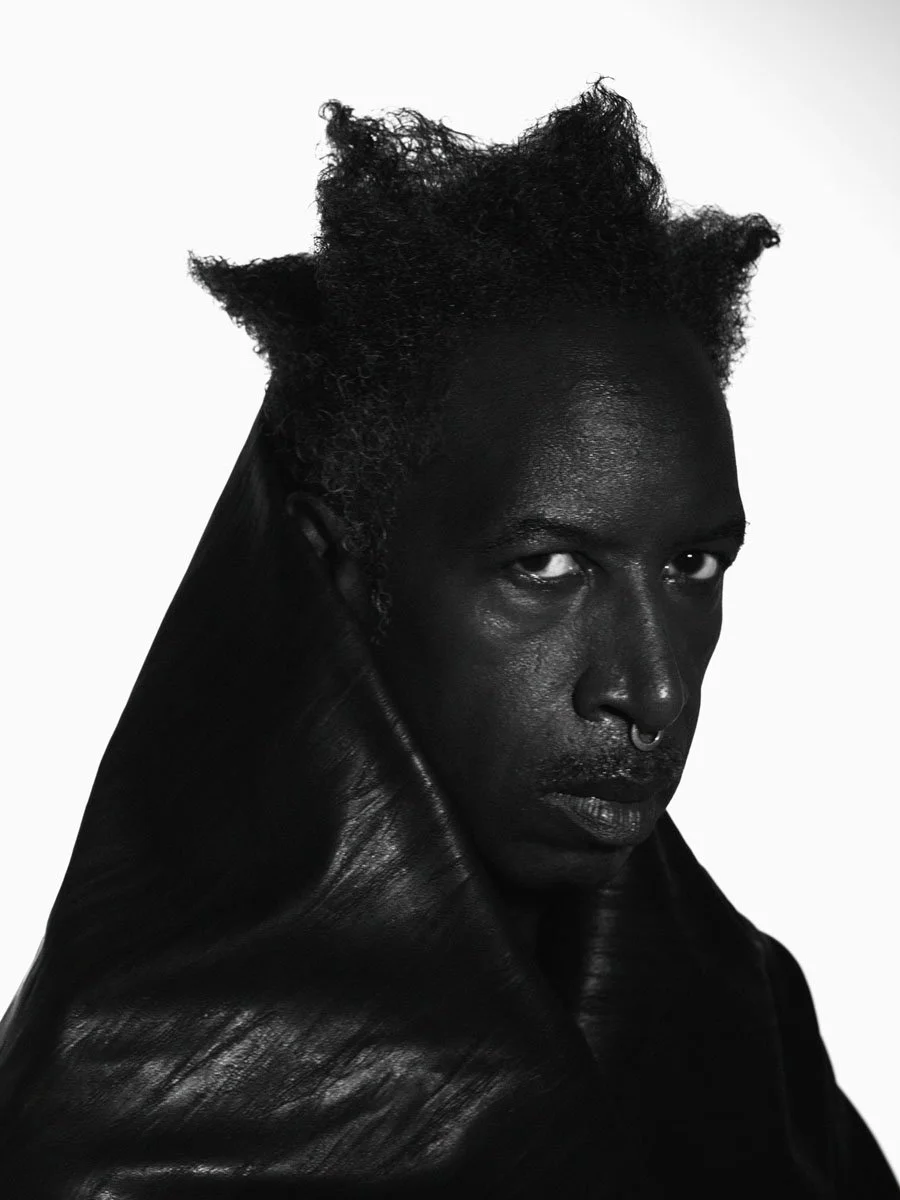
PHOTOGRAPHY Don Brodie
WORDS Alexandra Polk
Saul Williams was born and raised in ’70s upstate New York, but his decades of artistry and activism span across the globe. Film, music, slam poetry, and protest. You may recognize him as Ray in his ’90s independent film SLAM, as the distinctive voice on Grammy-nominated album Saul Williams meets Carlos Niño & Friends at TreePeople, as the author of the afro-punk graphic novel Martyr Loser King, or any number of Williams’ creative works and collaborations. Every project, regardless of medium, the result of raw emotions mingling with a robust curation of influences—Black church sermons, Afrobeat monologues, old-school trip hop, Los Angeles’s jazz scene, New York’s ’90s slam poetry movement, Frank Ocean’s Blonde—and coagulating into genre-redefining works of art.
Today, I say hello to Williams in Paris from my Brooklyn apartment as we settle into our respective Google Meet boxes. I’m eager to discuss his first solo album in seven years, Leap Life: A collection of ethereal soundscapes, dance-electronic beats, and experimental melodies all coated in liberating spoken-word poetry. After first listen, it’s an album that showcases William’s artistic maturation, but also upholds his career’s thematic throughline: A love for humanity and demand for anti-colonial resistance.
Many say that music decorates time, Leap Life creates its own world.
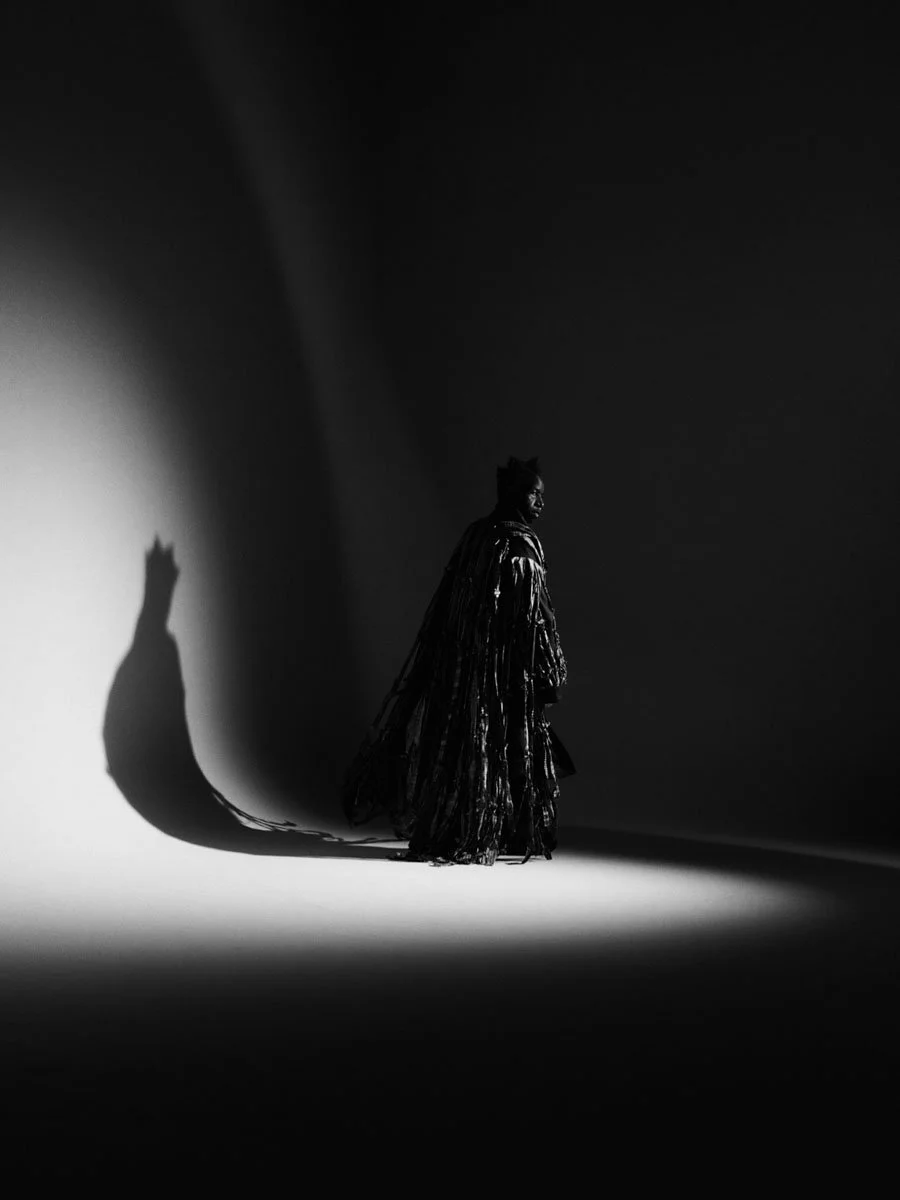
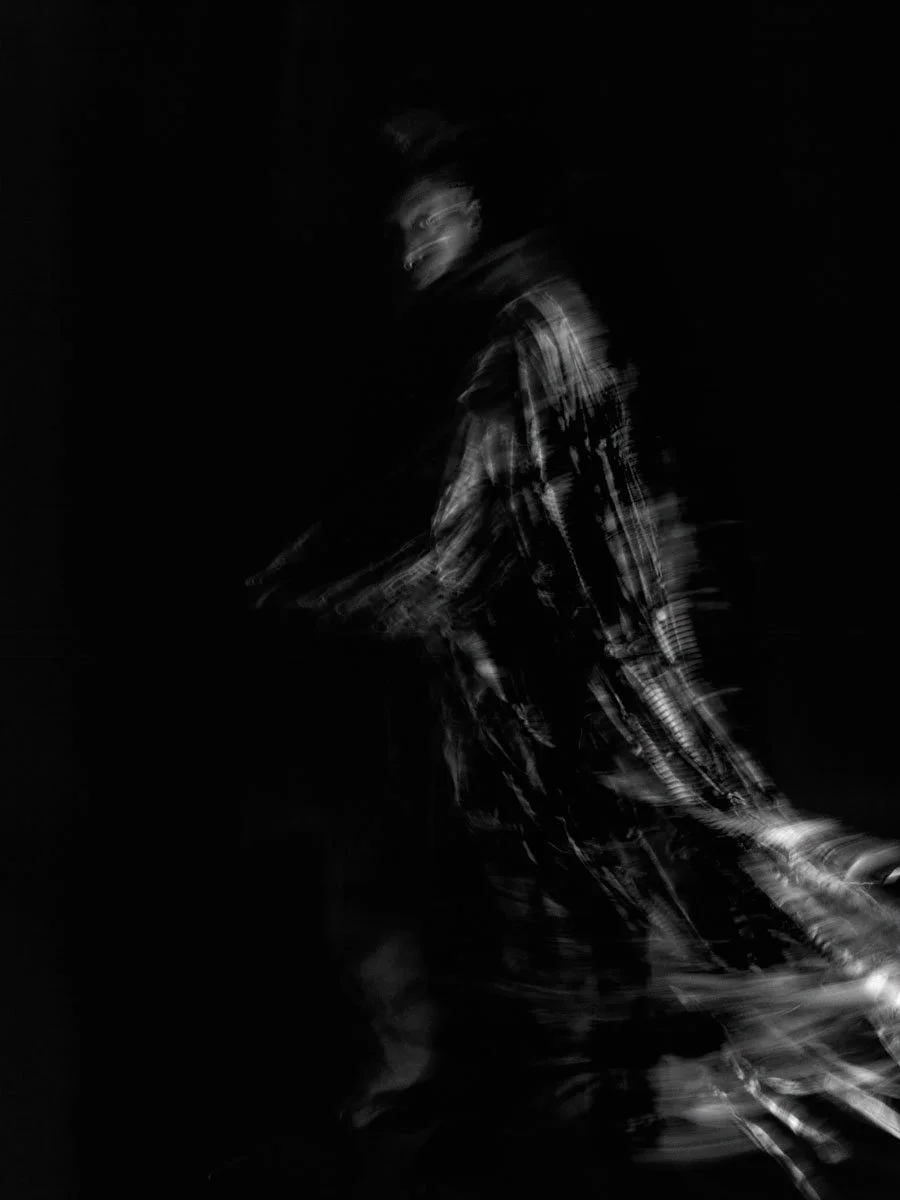
COAT & TOP Tay Freeman / PANTS KAPITAL / RINGS L’Enchanteur / SHOES & OTHER JEWELRY Saul’s own
Alexandra Polk: Can you walk me through the creation of Leap Life? When and where did you start conceptualizing? What sparked inspiration?
Saul Williams: When I started working on the music for Leap Life, I wasn’t thinking of myself as working on an album. A lot of these songs and soundscapes first existed without words. The conceptualization as an album really is inspired by the enthusiasm of my producer Carlos Niño. When he came to me about recording Leap Life in 2024, I felt like, “Yeah!” If he feels like it’s now, let’s go now. The main thing I did was show up everyday with my feelings.
AP: As such a soundscape and abstract album, how did you intend for people to listen to it? I listened to the whole thing in one sitting, lying in bed with the lights dim and I felt so many textures and it took me to different places.
SW: Good. Good. I would say that your experience is part of the intentional drive that I have. I wanted the album to be very experiential. I wanted people to devote the sort of time to it that you give to a movie. You dim the lights, face one direction and go, “I’m gonna watch this right now.” Some of the songs are written from a style where I wanted to write music for films that don’t exist. So that I’m kind of narrating for the director who is you, the listener. Many people do a lot of passive listening, but there’s a potential for it not to be passive. I think the passivity can sometimes be born in the music itself.
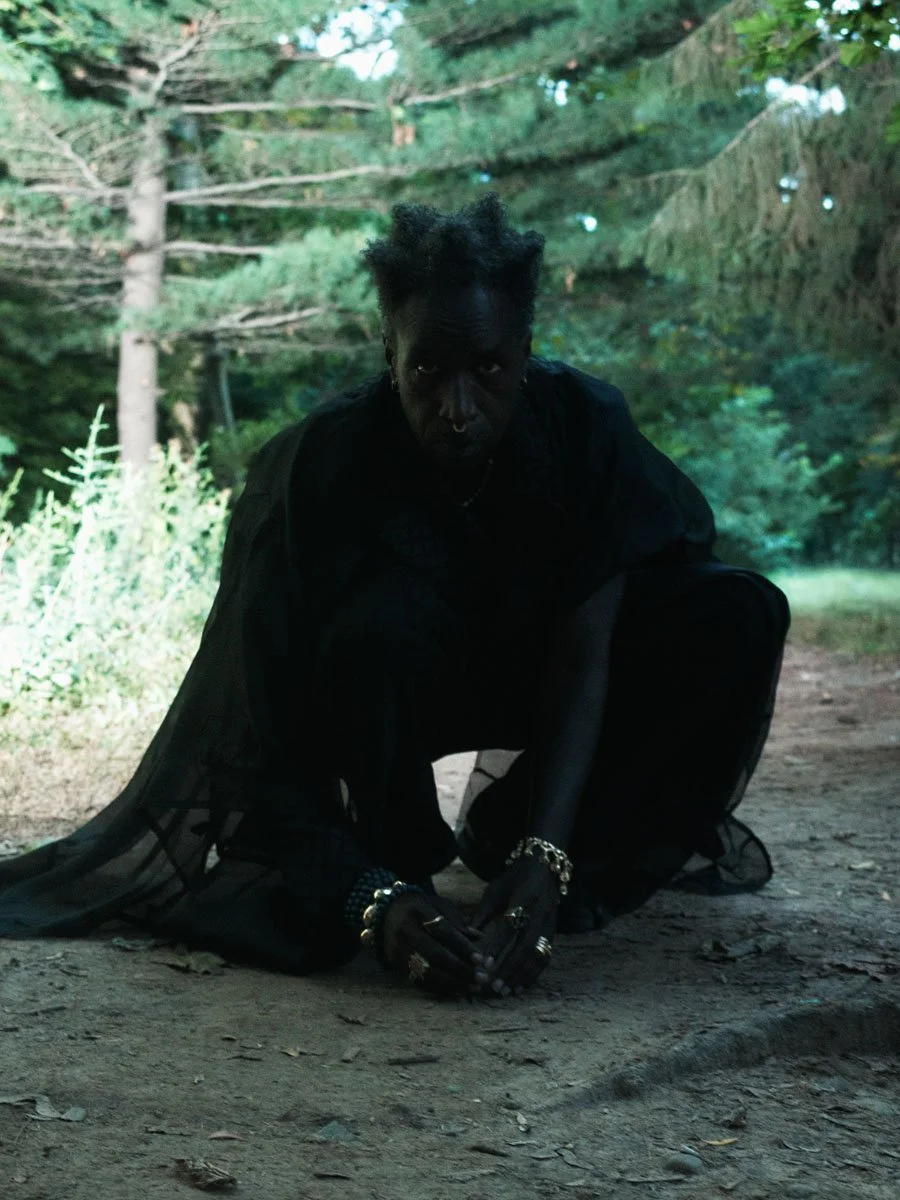
BLAZER, TROUSERS, BANGLES, RINGS (L-RING FINGER, R-INDEX FINGER) L’enchanteur / SHOES AND OTHER JEWELRY Saul’s own
“The main thing I did was show up everyday with my feelings.”
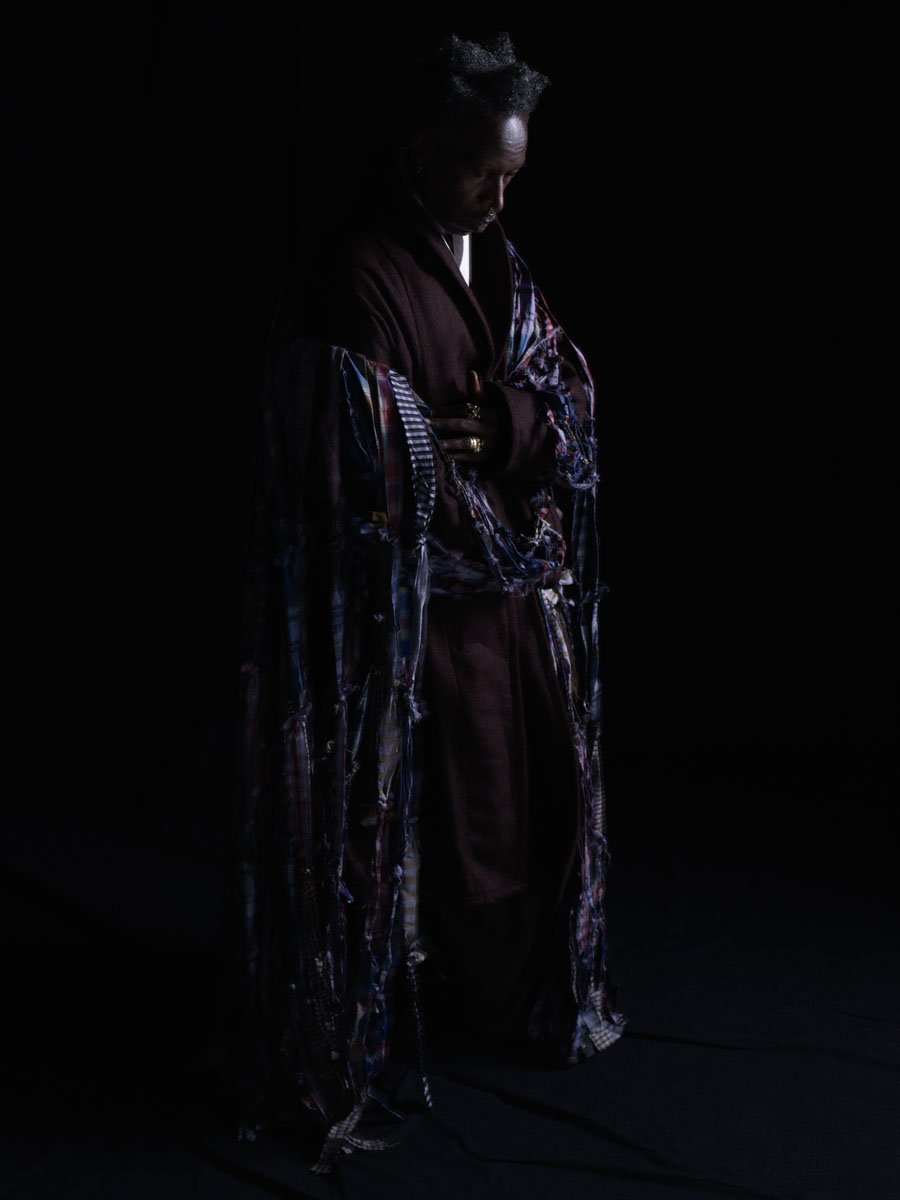
COAT & TOP Tay Freeman / PANTS KAPITAL / RINGS L’Enchanteur / SHOES & OTHER JEWELRY Saul’s own
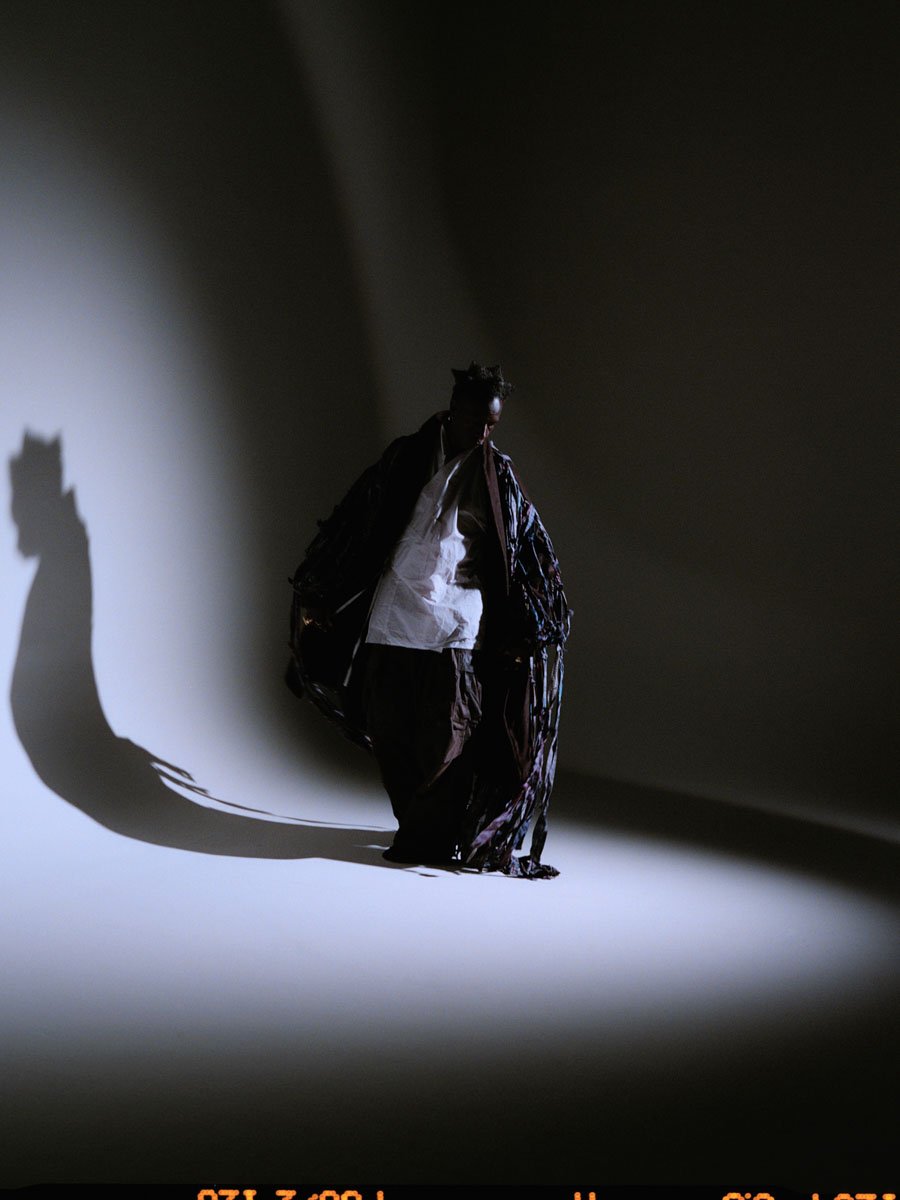
AP: Do you have examples of albums that really make you stop and listen?
SW: Portishead’s Dummy. It’s a quintessential trip hop album. At the time there was absolutely nothing that sounded like that. Frank Ocean’s Blonde is also one of those albums too.
AP: I hear so much of your influence in Frank Ocean’s music. Kid Cudi too. In this era of short attention spans they’re not afraid to slow down their melodies and sprinkle in spoken word.
SW: I don’t know if we’ve had an album like Blonde since Blonde. It’s very soundcape-y and I want to give that album my full attention because I’m fed by it.
AP: There are prominent themes of death, violence, and weaponry throughout the album. In “Conspiracy,” for example, what do you mean when you say “death is a conspiracy”?
SW: I’m saying that they can’t kill us. That Western civilization is rooted in Black death and indigenous erasure but, hello, we are neither dead or erased. But they keep trying. I’m also saying that there is an intentional sort of co-opting that the neo-liberal, either Black or white, will use in the Americas—particularly surrounding the idea of violent resistance. They have us think that resistance is only valid if it’s non violent. And I disagree. I believe that with anti-colonial resistance, violent resistance is necessary when it’s a form of self defense.
AP: Hello!
SW: And it is what it is. It is what it is. Sometimes we stand on the shoulders of our ancestors, sometimes we stand on their necks. In The Dagger, the idea is that I’m watching you. I see you. I know who my enemy is—I want to be clear on the fact that even if you were to take me out or someone that I know out, there are enough of us fighting that you’ll never take us all out. I do see the liberation as inevitable.
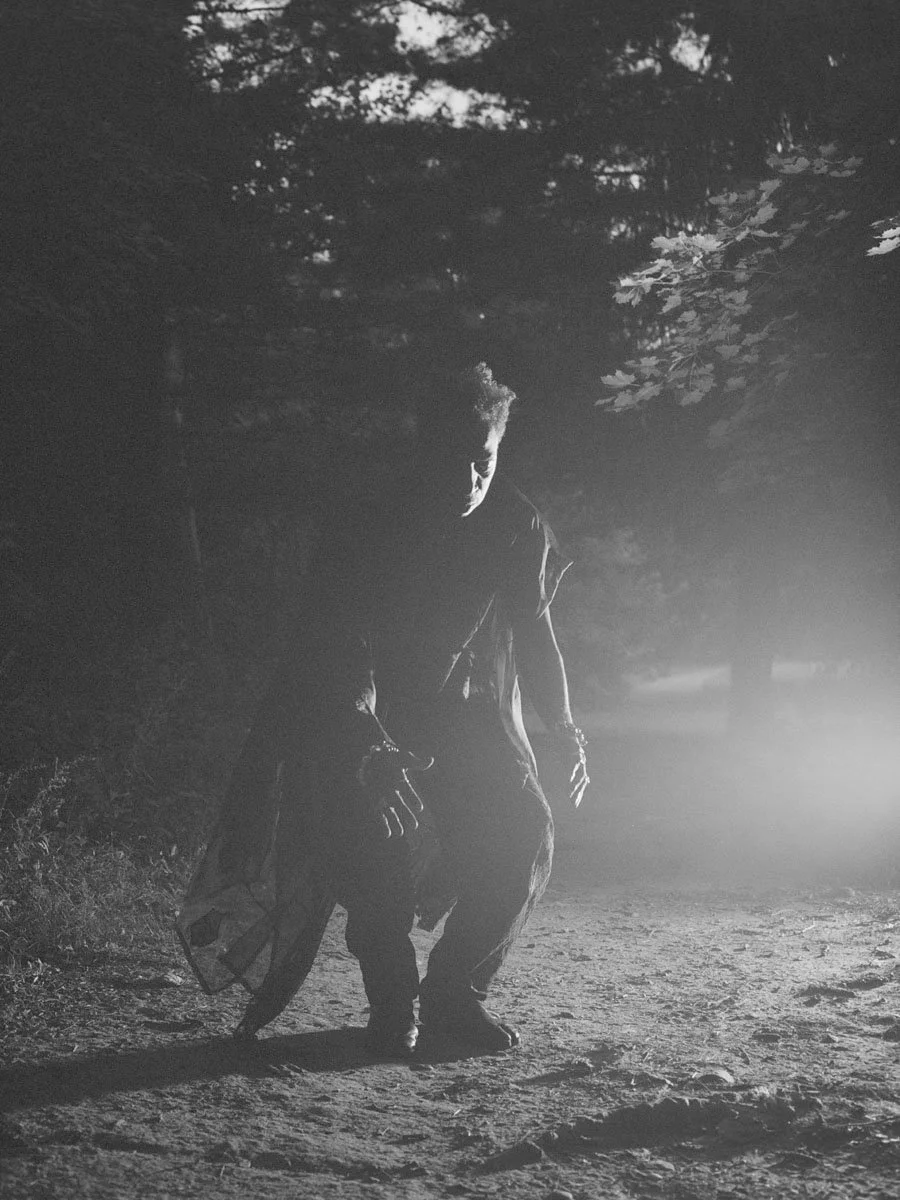
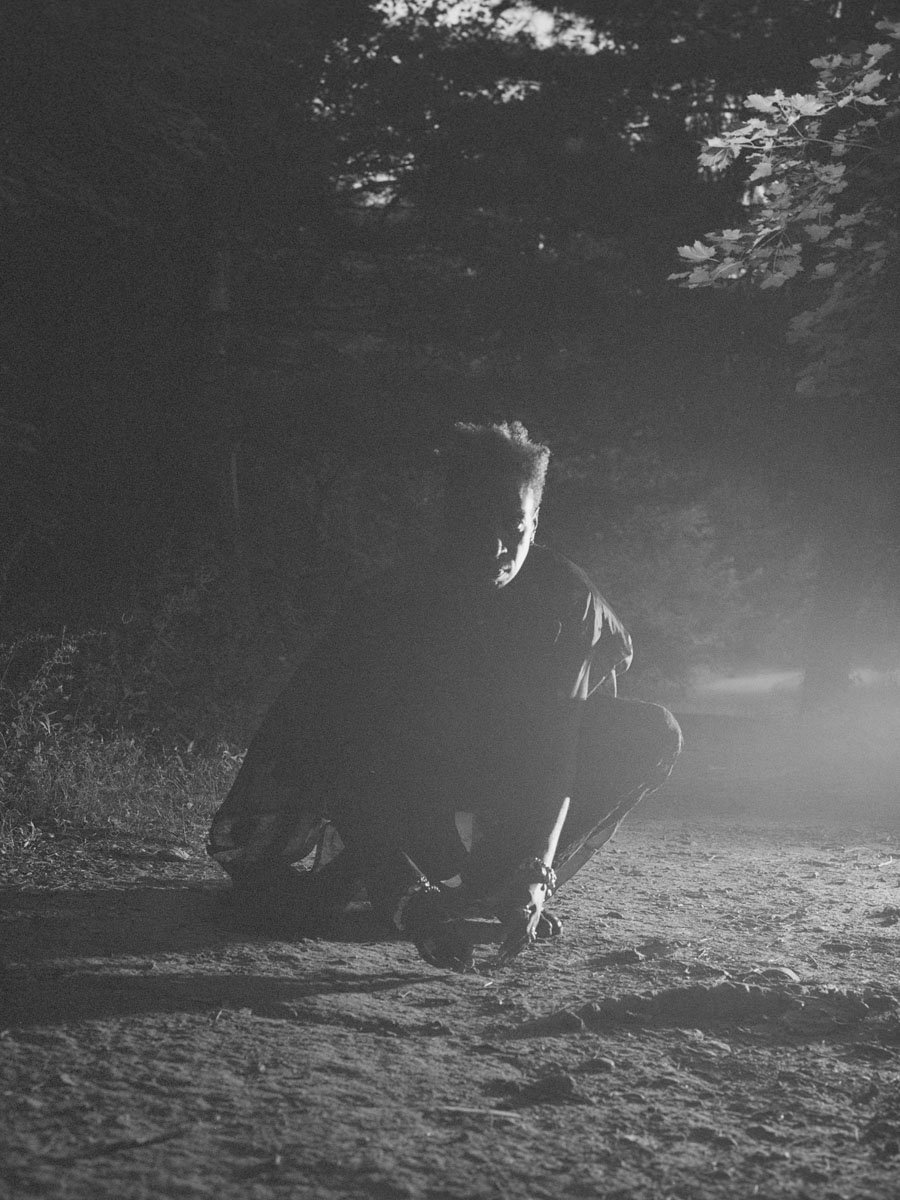
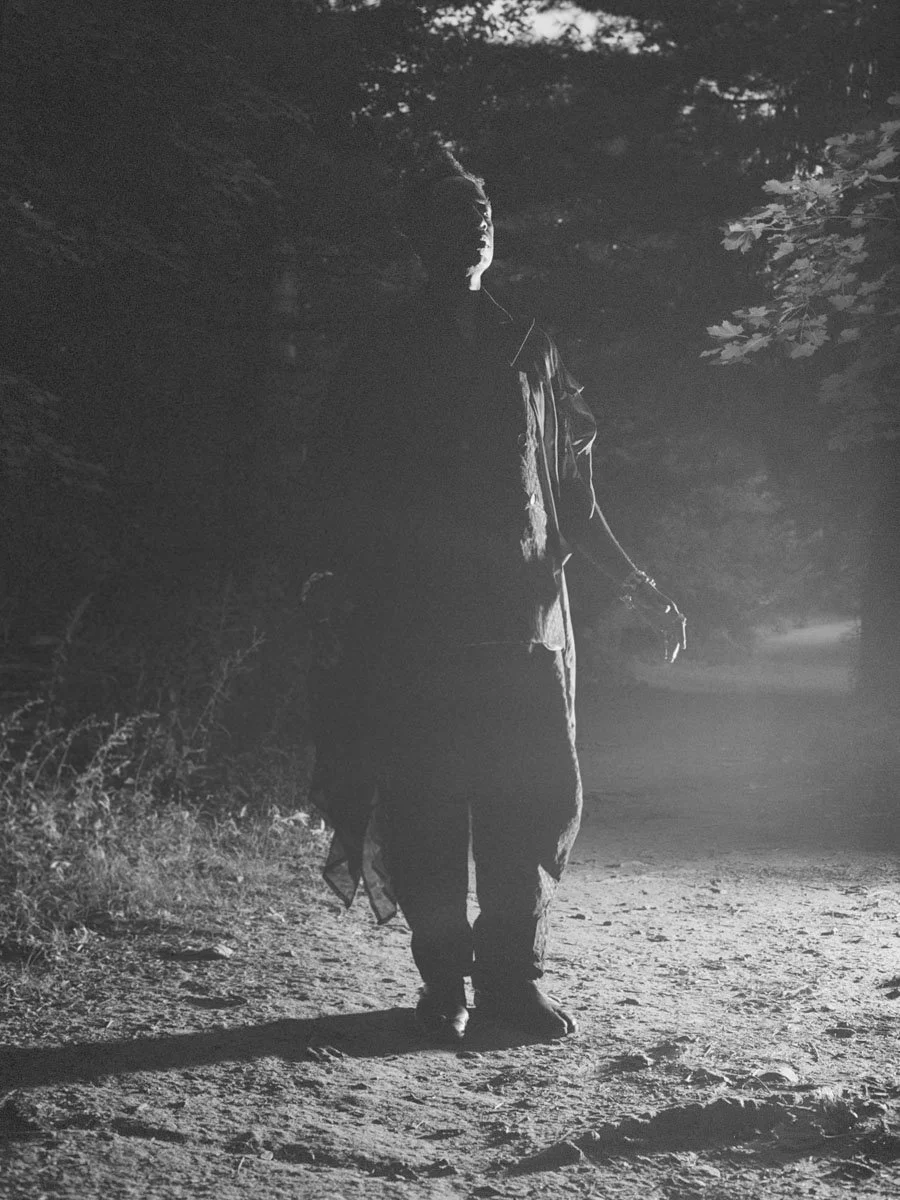
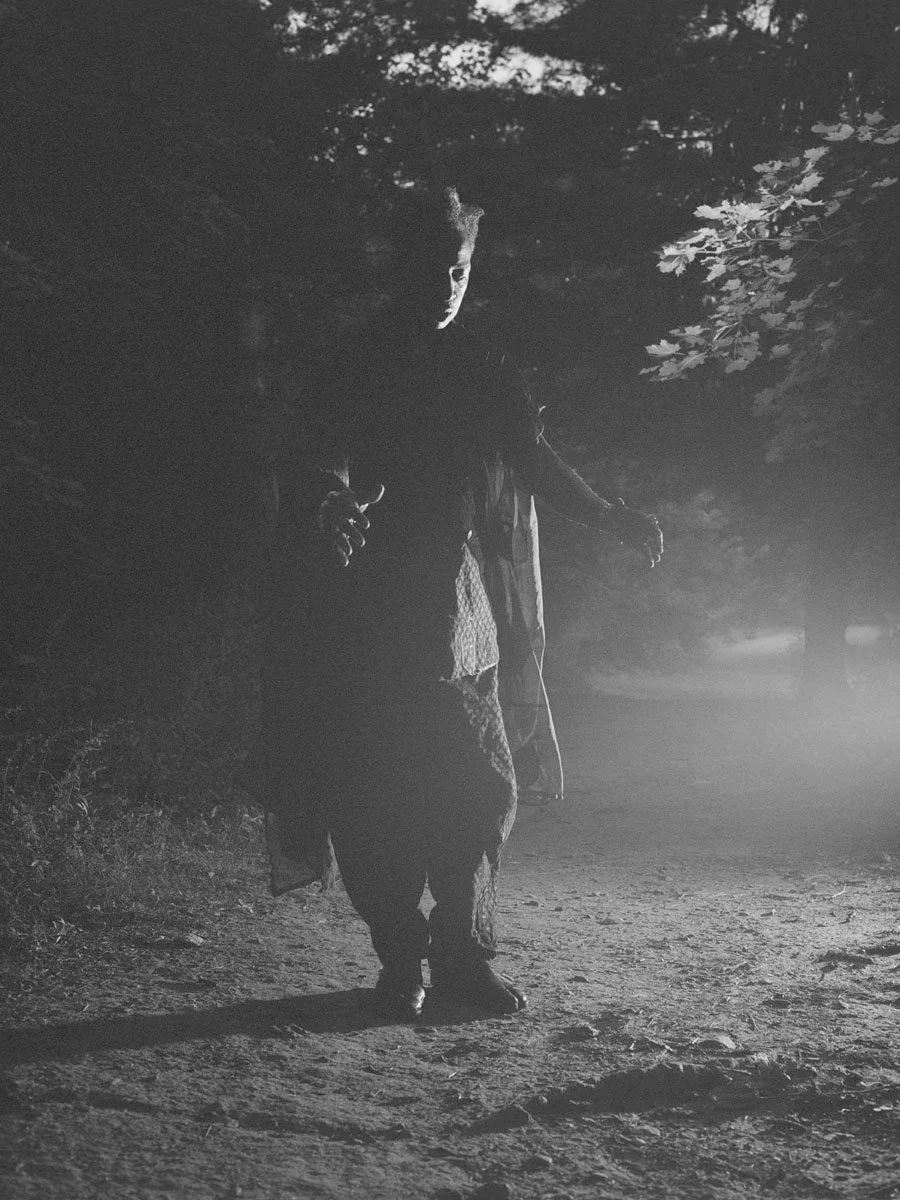
BLAZER, TROUSERS, BANGLES, RINGS (L-RING FINGER, R-INDEX FINGER) / L’enchanteur / SHOES AND OTHER JEWELRY Saul’s own
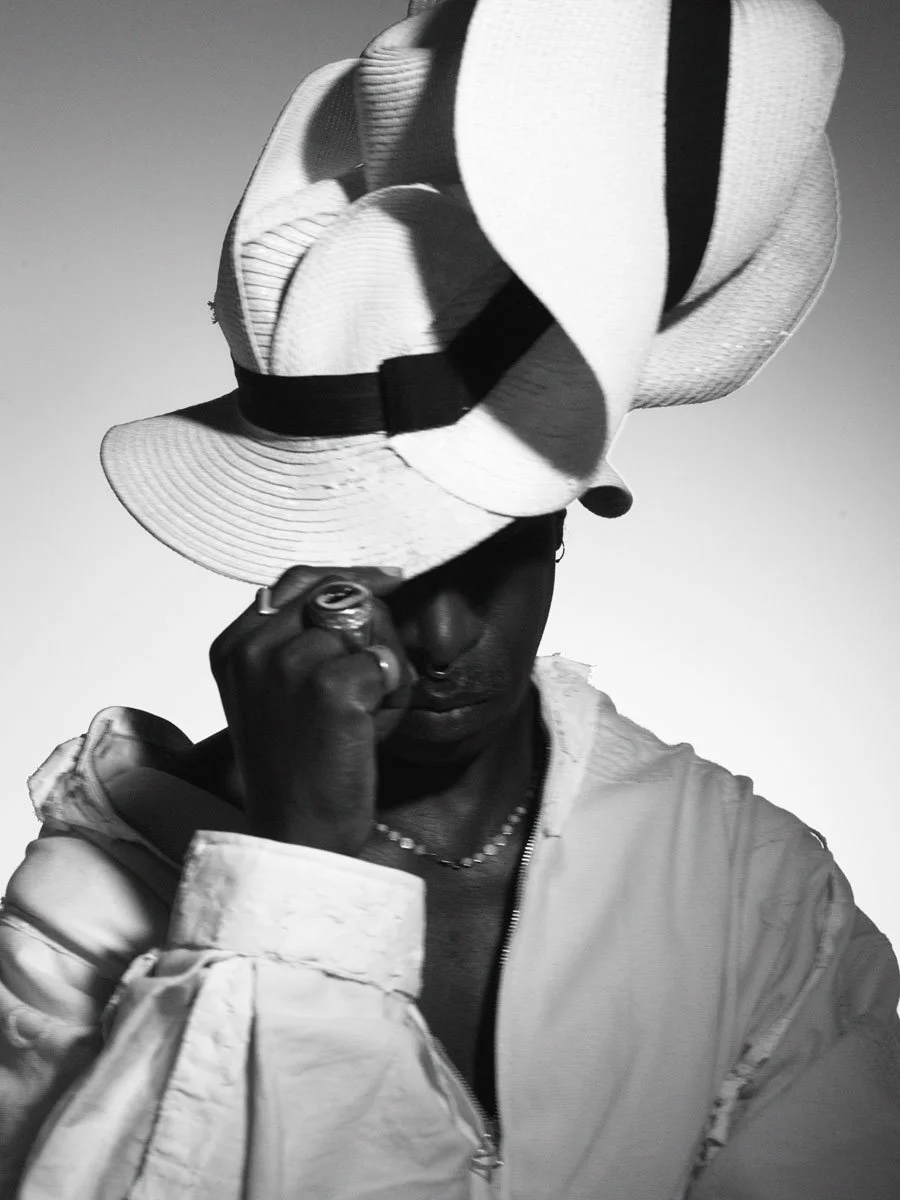
TOP & HAT SOAK / RING (RING FINGER) L’Enchanteur / ALL OTHER JEWELRY Saul’s own
“Sometimes we stand on the shoulders of our ancestors, sometimes we stand on their necks.”
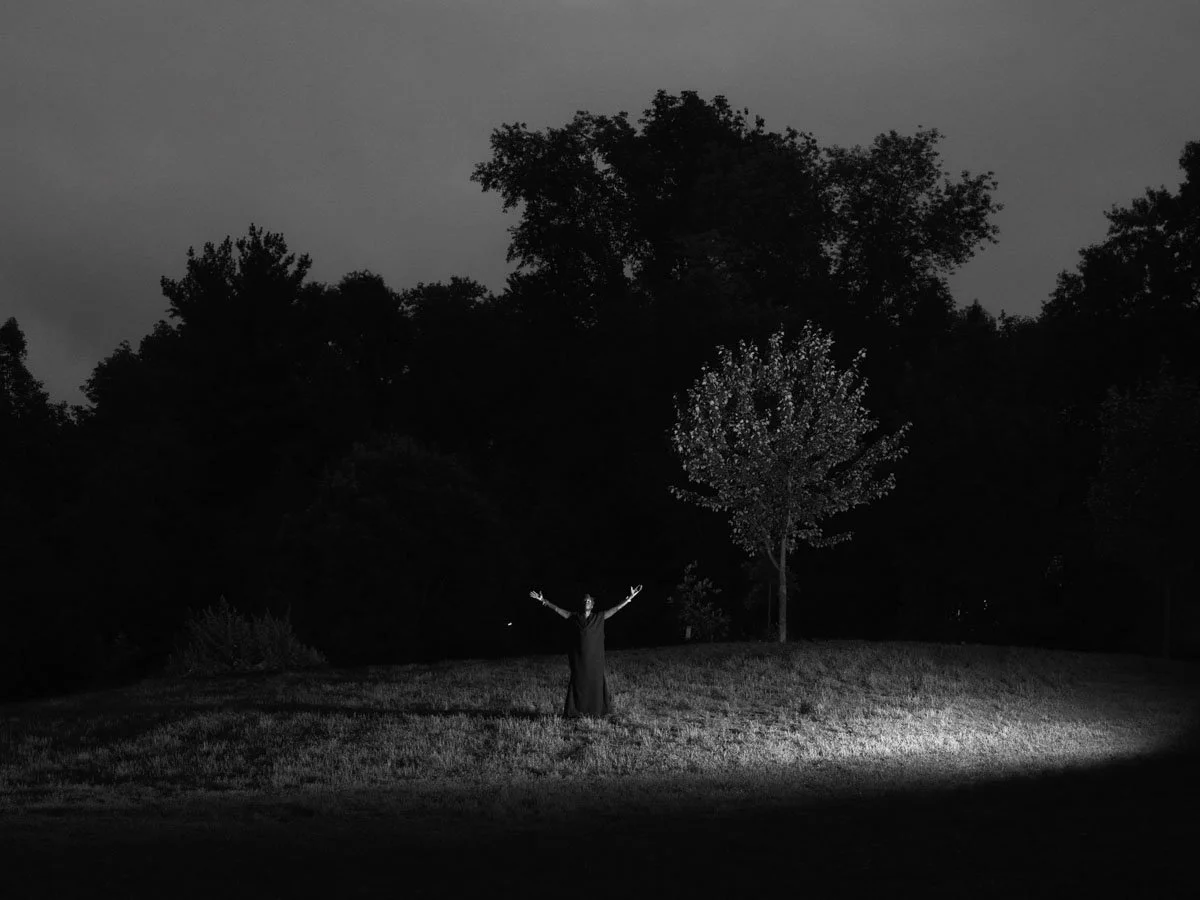
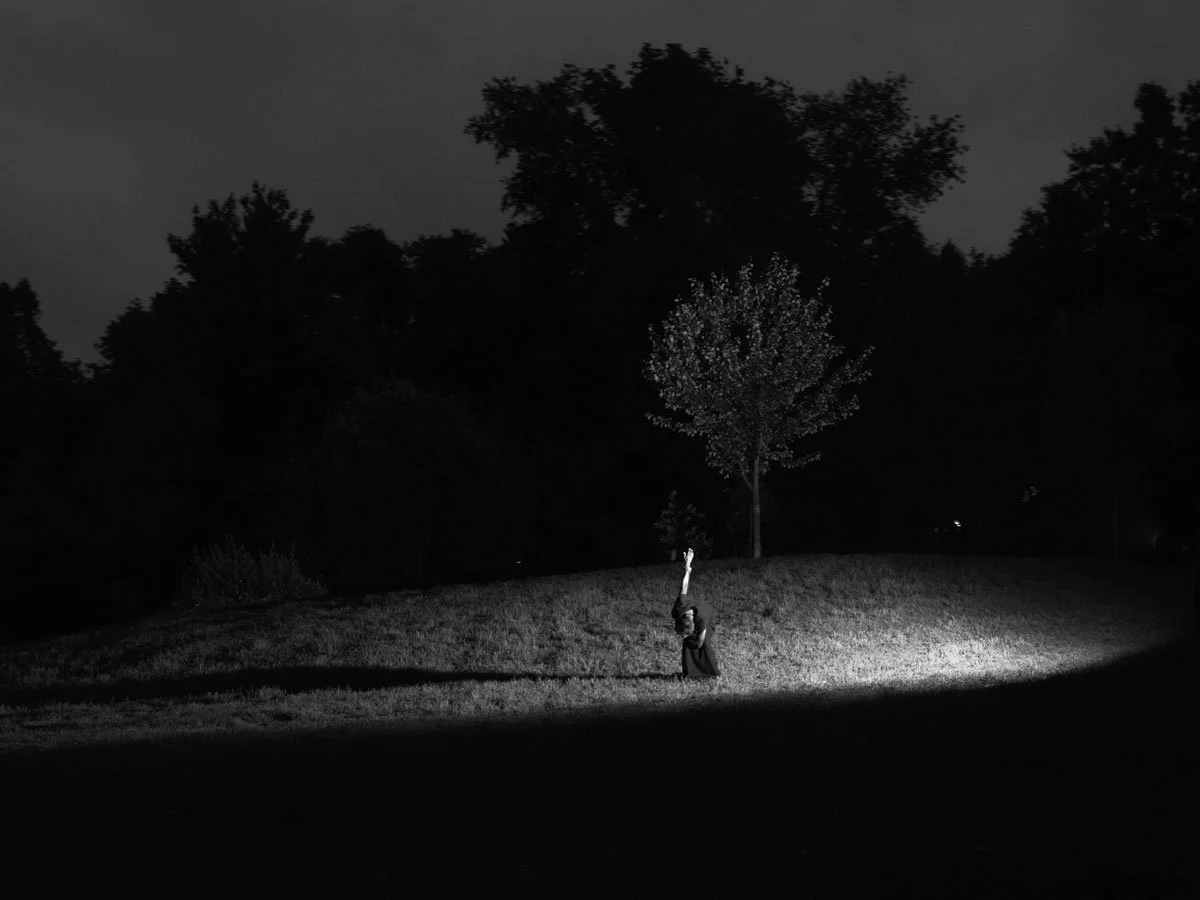
TUNIC Efnes / BANGLES & RINGS (L-RING FINGER, R-INDEX FINGER) L’enchanteur
“A lot of people conform before they even enter the room because they have this idea of what it will take to get people to listen. And what I have to say is: People are diverse. The world is not one country. English is just one language. Dig deep.”
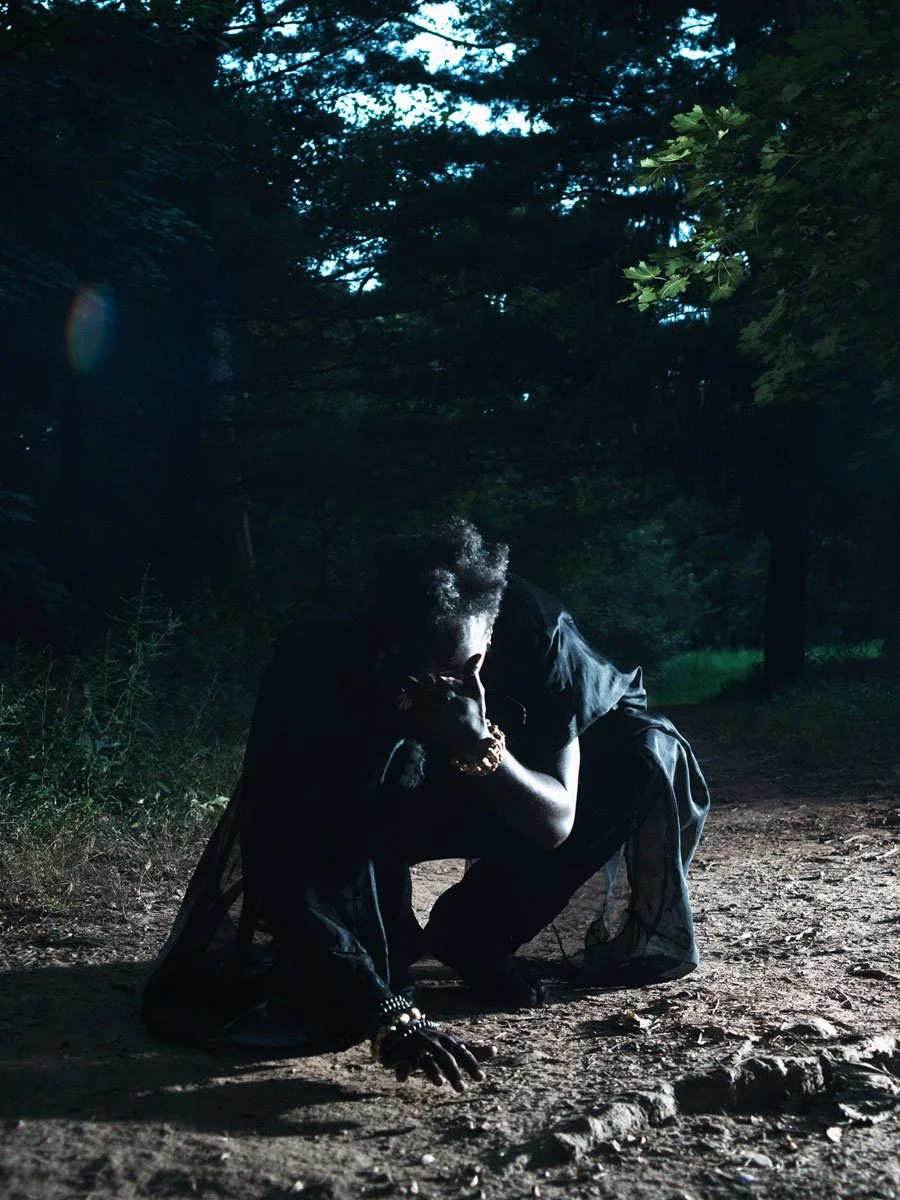
BLAZER, TROUSERS, BANGLES, RINGS (L-RING FINGER, R-INDEX FINGER) L’enchanteur / SHOES AND OTHER JEWELRY Saul’s own
AP: What was that catharsis like going in and out of the studio during 2024 and exploring those topics? Did you do it for you? Did you do it for others?
SW: Typically when I’m working on music—the processing and programming—it is [cathartic] for me. I’m trying to create the thing that I would want to hear. But I’m very aware and thinking about everything from when the album is recorded [in relation to what’s happening in the world]. I would not want to record an oblivious album or some bullshit that I don’t believe like, “my resistance is joy” or whatever the fuck. I wanted to make something for those who, like me, are charged by art and music. I have songs in there that are from the perspective of the dead and resistance fighters. I wanted it to be clear that I was present in the moment that we’re living through, and I want that to breathe through the music. So I won’t say that it’s for me, but it’s through me.
AP: Speaking of others, Tidal Mag has a predominantly Gen-Z audience—a generation that struggles with pursuing their passions because of online distraction and being afraid of judgment. You are the definition of not fitting into one box. I’m curious: What would you say to the younger generation about how to persevere and put yourself out there?
SW: I do think it’s important to take the leap. I always gravitate toward that thing that Maya Angelou says: “Anything an artist writes should be written with the urgency of what they would write if someone were holding a gun in their mouth.” But there’s a lot of capitalist persuasion within the arts right now. A lot of people conform before they even enter the room because they have this idea of what it will take to get people to listen. And what I have to say is: People are diverse. The world is not one country. English is just one language. Dig deep. Which doesn’t mean you must be overreflective. Sometimes digging deep like in Leap Life may mean going off the top of your head and just trusting it.
AP: Just be honest with yourself, it sounds like you’re saying.
SW: You being you is an enigma because, who are you? You, who you think you are, is probably 70 percent socialization and indoctrination. You have to get past that to figure out who the fuck you actually are. And that work requires things you might find cliche. You’re gonna need to read a little bit, you’re gonna need to get your heartbroken. You’re going to need to learn how to not place blame and accept and sit with how you may have wronged someone or even yourself. You’re going to have to go through the alchemical process of transformation. Of learning and unlearning. You really have to have a clear sense of who you are.❤
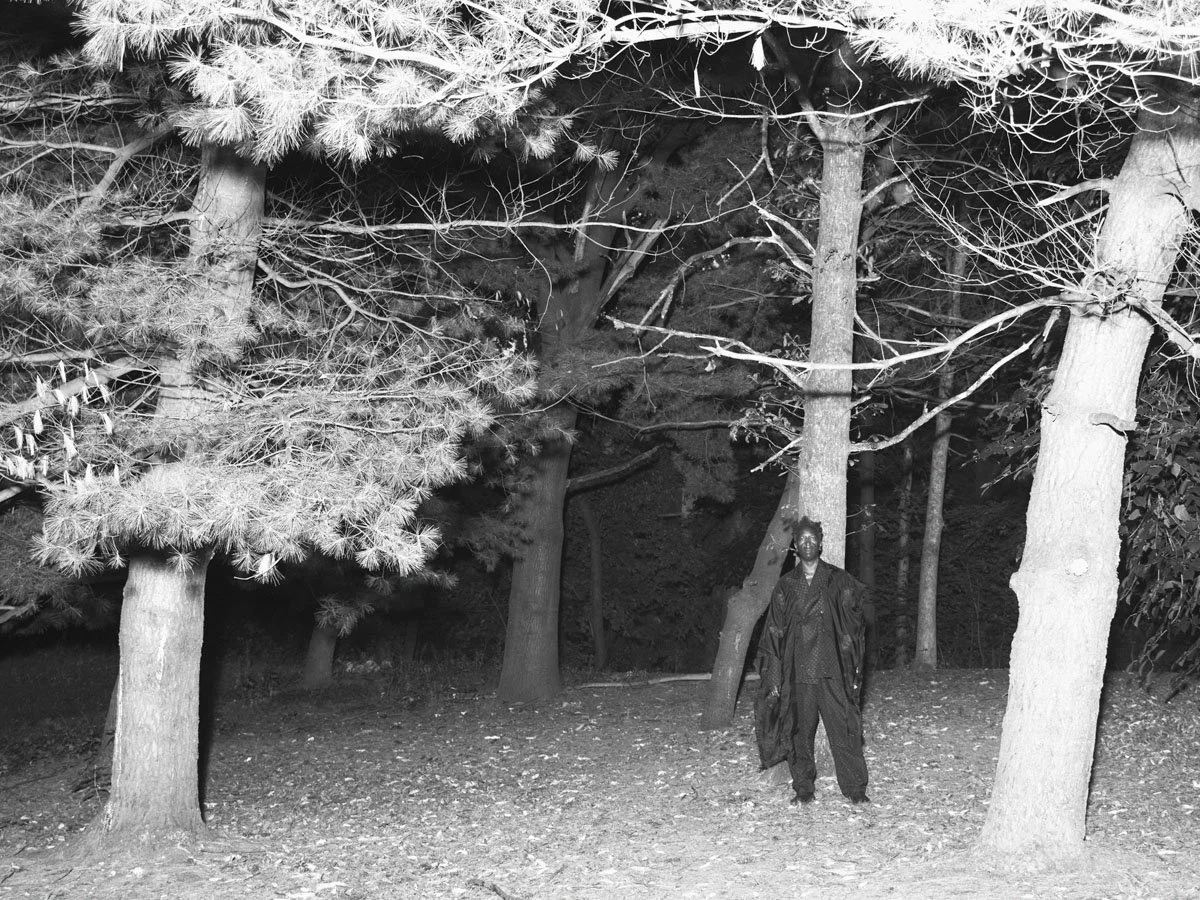
TUNIC Efnes / BANGLES & RINGS L’enchanteur
STORY CREDITS
PHOTOGRAPHY Don Brodie / STYLIST Taylor Kim / GROOMER Brittany Taplin
PHOTO ASSISTANT Brandon Abreu / STUDIO Vivid Kid / TIDAL PRODUCER Jess Hodgson
HERO IMAGE CREDITS
BLAZER, TROUSERS, BANGLES, RINGS (L-RING FINGER, R-INDEX FINGER) L’enchanteur / SHOES AND OTHER JEWELRY Saul’s own
Read more stories