A SOFT RADIANCE emanates from my 15-inch laptop, cutting through the gray of a mid-April Monday afternoon and settling over my apartment like sunlight. It’s coming from Supriya Ganesh. Fresh off the Season 2 finale (and her final episode as a series regular) of The Pitt, she has just popped onto our Zoom call from Los Angeles in a worn-in neon-green tee. A cat weaves in and out of frame.
She got up unusually early this morning, she says, but she’s relaxed—her hair in a loose, casual bun, no makeup. After a busy few months of press and events throughout the second season, she’s unwinding with reality television, including The Valley and Summer House (Team Ciara, btw). She carries an alert calm and an attentiveness that feels both practiced and natural, that feels like Dr. Samira Mohan, the controlled but warm doctor who can’t help but develop an emotional attachment to her patients, whom Ganesh played on The Pitt for the first two seasons. Nicknamed “Slow Mo” for her glacial pace, the R4 spent the second season trying to figure out the next step in her career and screened calls from her impulsive mother, all while trying to save the lives of the patients she cares about very, very much.
When The Pitt premiered in January 2025, Ganesh was working as an MCAT tutor. She studied premed at Columbia University but did not go to medical school—an important distinction. Since then, she’s won an Actor Award for Outstanding Performance by an Ensemble in a Drama Series. And, no, she still hasn’t adjusted to fame. And likely never will. Ganesh spoke to me about anxiety (both Samira’s and her own), the impact Dr. Mohan’s emotional arc had on her, and what’s next in her career.
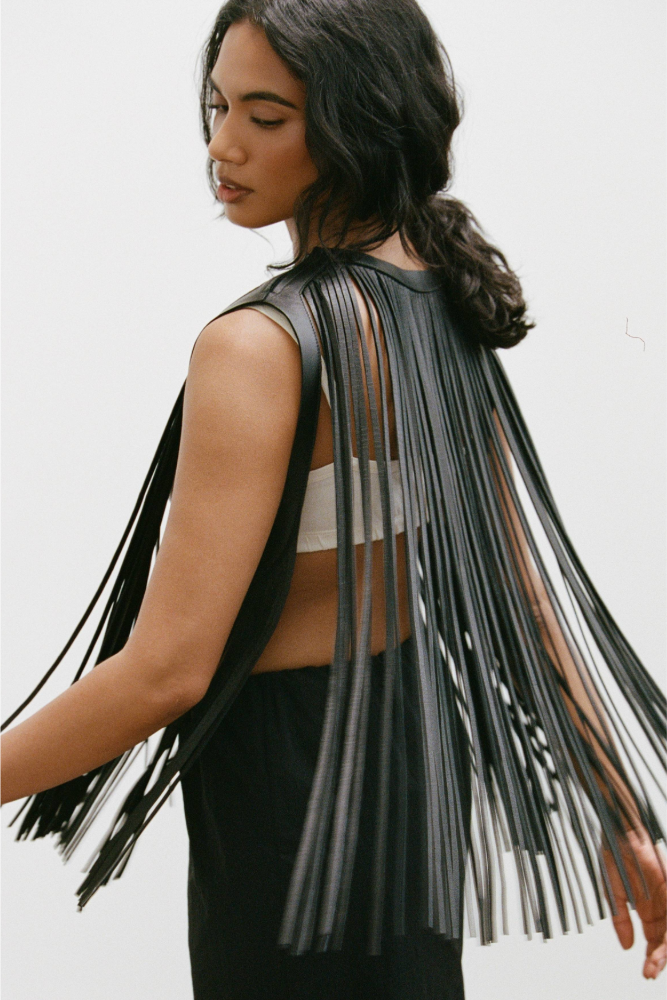
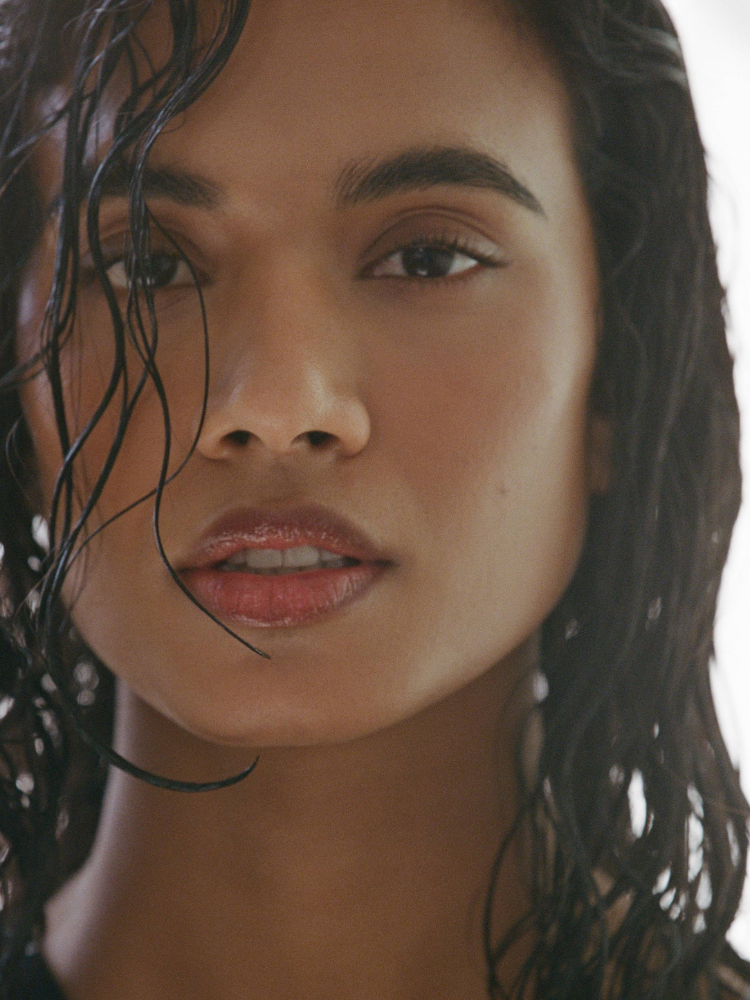
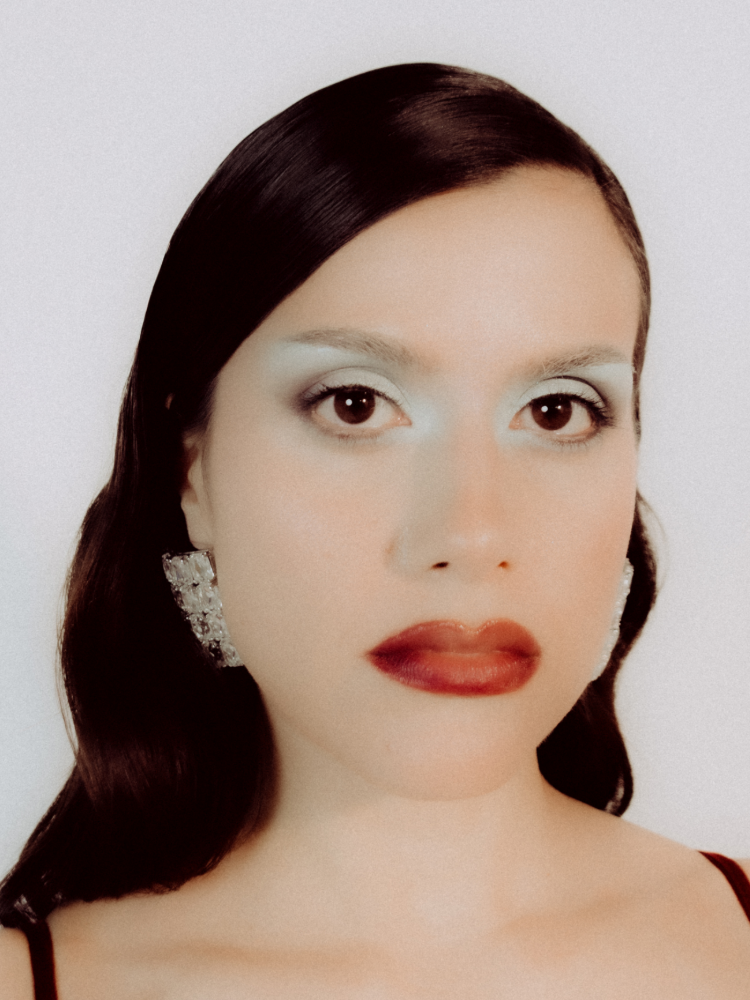
LEATHER FRINGE TOP Rosetta Getty
CARRIE WITTMER: It’s only been a few days since The Pitt season finale. How are you doing today?
SUPRIYA GANESH: I woke up pretty early for some reason and I’ve just been harassing my cat and trying to get her to cuddle me in vain. But, yeah, all good things here.
CW: I imagine it’s been a really busy three months, so it’s probably nice to have a chill relaxing Monday.
SG: You know, it really has, and I feel like it’s only beginning to slow down now, which feels really good. I think one of my biggest regrets, honestly, before I got the show was not taking rest when it was available to me. I would just be stressing out about what I’m working on and so now I’m just really trying to rest with my cat—and all the things.
“There’s so much that you feel as an actor that’s not said.”
CW: The audience built a deep connection with Dr. Mohan over the first two seasons of The Pitt, despite only knowing her for two working days. What are some of the challenges that you faced establishing a character in such a specific period of time?
SG: There’s so much that you feel as an actor that’s not said. With Season 2, I’ve been talking more about Samira’s backstory and [my] process because I want people to know. It bleeds through all of her interactions and how she feels about different people in the ER. And the audience is very smart—they notice. A year and a half ago, someone realized that Samira’s dad must have had some sort of cardiac event related to his death, just because of how she looks back. There’s one shot of her looking back at this patient and then moving on. It was intentional on the production’s part, but it’s just crazy that people were able to figure it out. So in a weird way, I want to validate people. In the context of what an ER is, you’re going from patient to patient until your shift is done, so it makes sense you don’t get to see everything—but it’s been really rewarding to see how much of it bleeds through. Not just for my character but for everyone’s character. I think everyone is able to figure out how these people are so different because we all have such different foundations given to us before we start building.
CW: What’s the most challenging part of performing The Pitt’s unique structure and style?
SG: Subtext. A lot of people would be shocked how much [The Pitt] reads like a medical textbook. Actually, they probably wouldn’t be shocked. You’re essentially trying to play what is under the text. What is the thing that’s actually happening that we are trying to get the audience to walk away with from this scene? Everyone is trying to excavate what is under the text and show it to the audience.
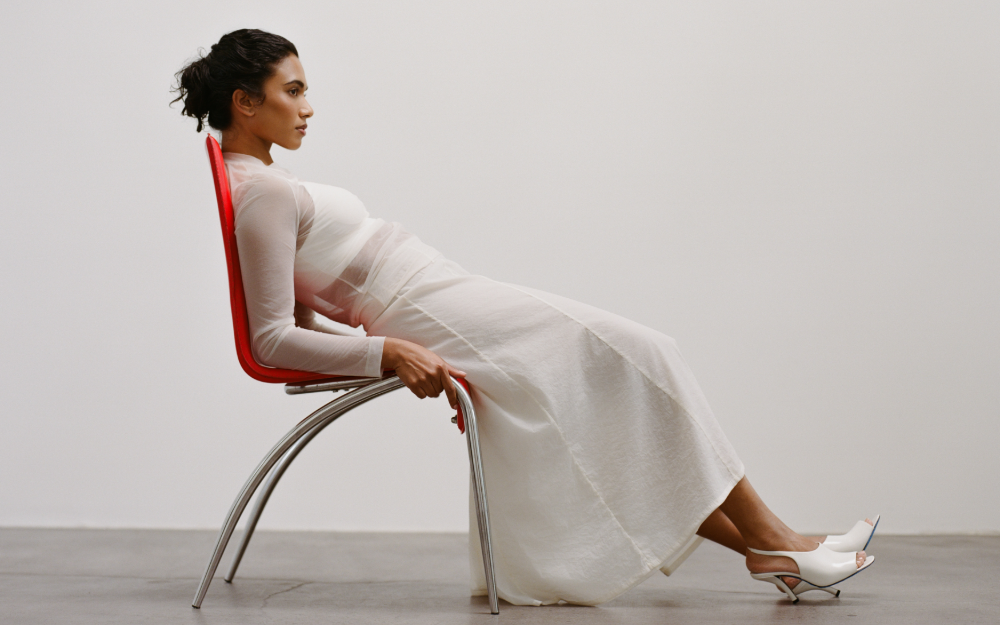
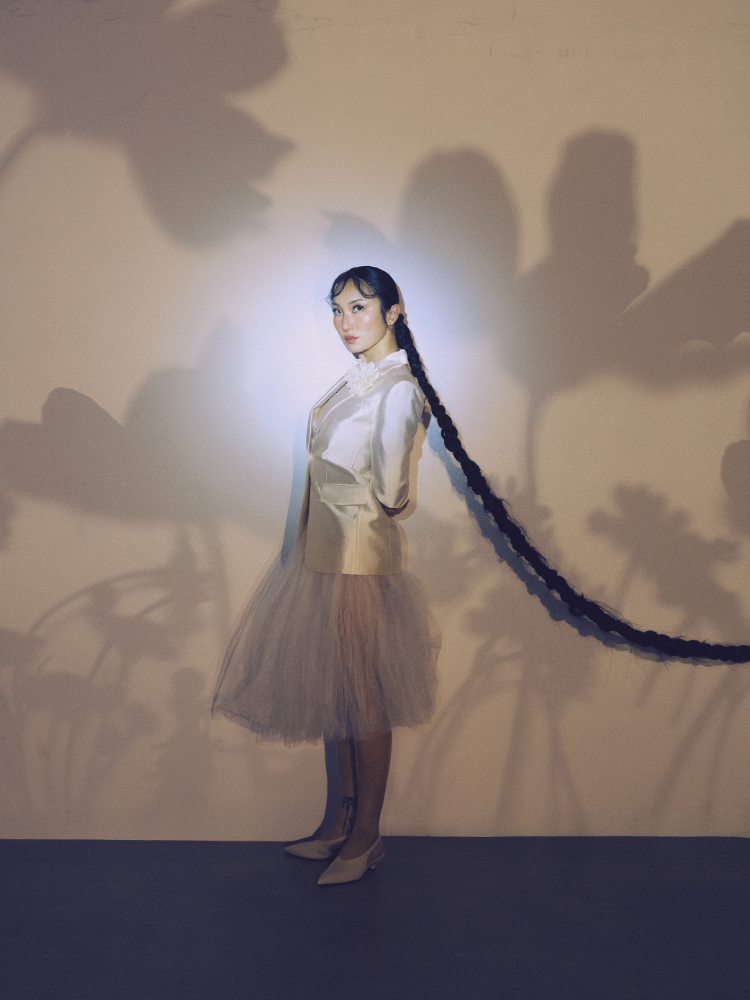
TOP & SKIRT Rosetta Getty / SHOES Toteme
“It’s important to me to show Samira is not always a fun person to be around.”
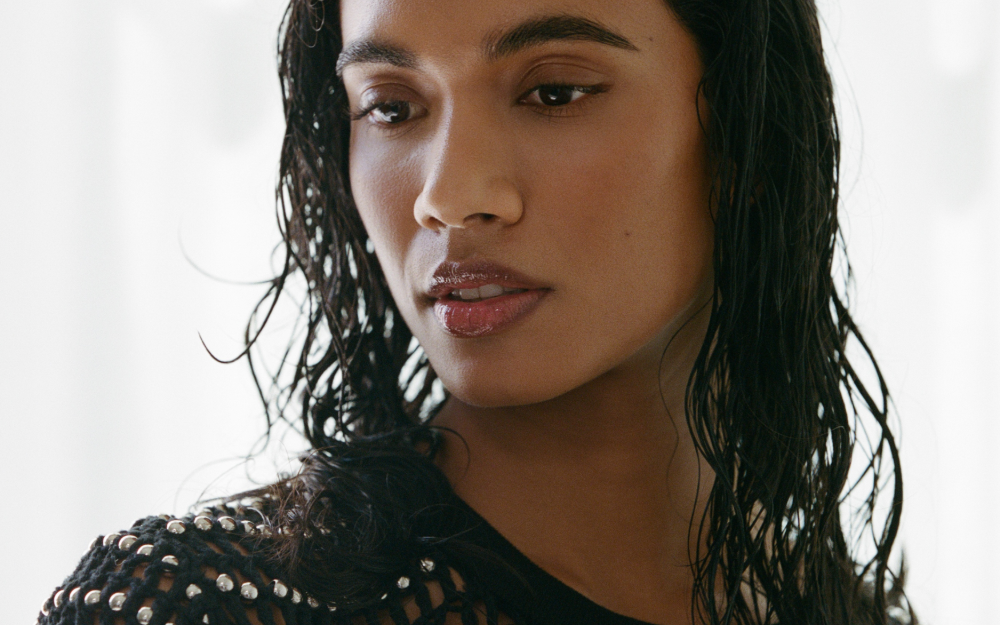
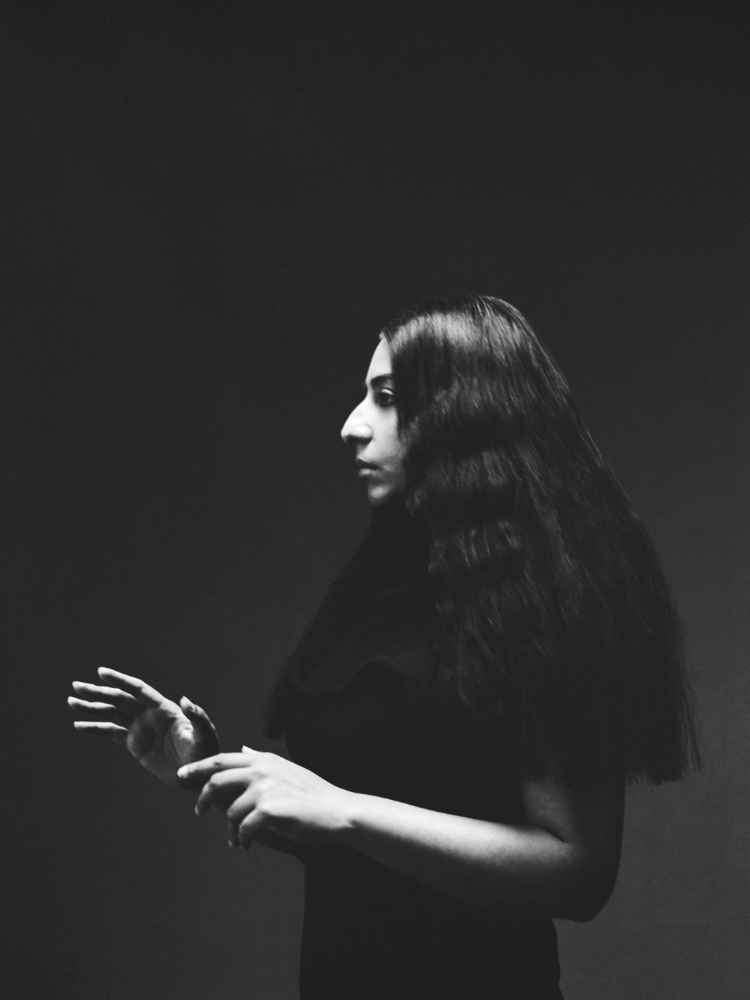
DRESS Rosetta Getty
CW: Samira’s storyline this season centered on managing stress and her personal life while at work, which is something a lot of us can relate to. I was dealing with something very similar a few days ago. But lives aren’t on the line in what I do so…
SG: Technically lives aren’t on the line in what I do.
CW: True. How do you separate yourself from your character when they’re going through it?
SG: I used to really pride myself on being someone who’s like, Yeah, just leave the character at work. I take the costume off and I’m not someone anymore. There were a lot of body language things that I built in to make sure this character is not like me. I really would try to do that.
Then with Season 2, because she’s having a really bad day, I was struggling with the weight of what this character was dealing with. I didn’t know that’s what it was. I didn’t know it was because of this thing this other person was experiencing—or I guess I was experiencing. I never experienced that before. It made me think of all the other times I’ve played characters and whether I was transferring things without realizing it. This is the first time I had to deal with playing a character for such an extended amount of time and living in a bad feeling for that long. I don’t think Samira is able to release. There’s a moment where she exits the hospital and has a release and that helped me. But even toward the end of the season, she’s still feeling a lot of complicated things about her shift. It was really hard to let go. I was just like, Why is this affecting my life so much? But I was able to put her to bed and finally say goodbye to that.
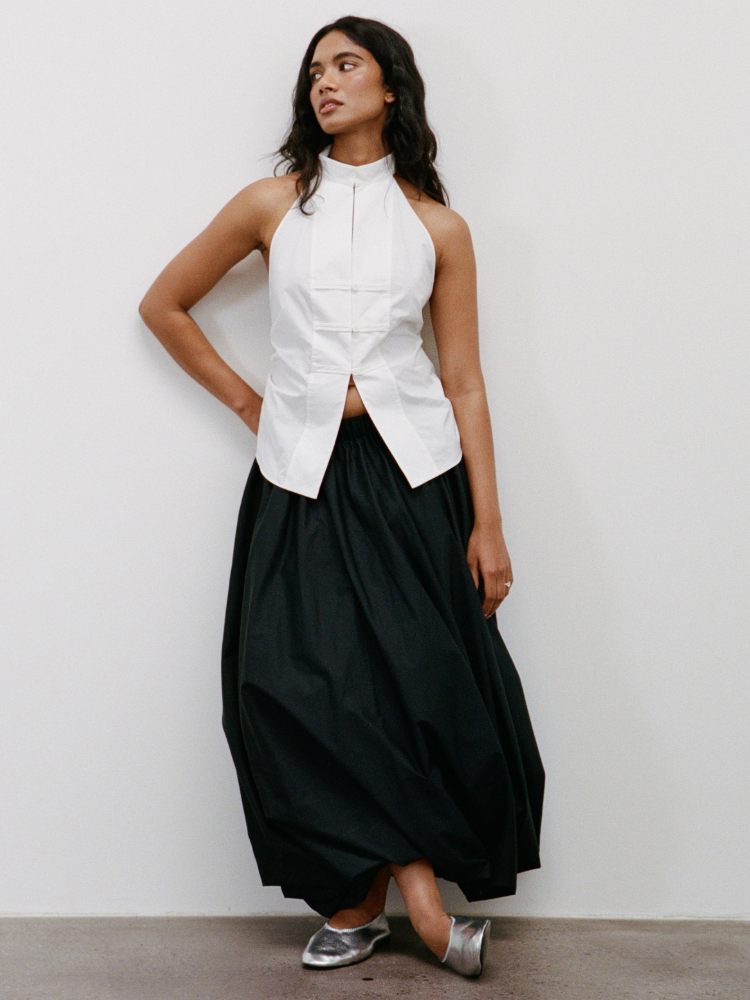
TOP & SKIRT St. Agni / SKIRT Rosetta Getty / SHOES Gimaguas
CW: On television, the story is never finished until the show is over, so the character still exists in that world. It’s not as finite as a play or a movie—even if you’re doing the play over and over, it’s still a complete arc.
SG: You can’t really give a character an arc within the span of a day. Sometimes they try to give a bump, but not an arc. And it’s hard because if you’re living in a bad place, that’s where the character is going to be until you find out what happens between seasons.
That was a great thing between Season 1 and Season 2, where I was able to show Samira growing and relaxing and leaning into her confidence as an R4. It was interesting to start there then peel back and return to where she was at the beginning of Season 1, which was more tense and self-doubting.
CW: Your performance in the panic attack scene felt very authentic but also a little bit funny. What preparation went into that?
SG: I have experiences with anxiety disorders and experienced a panic attack somewhat close to when I filmed that. I remember getting the script, which was a surprise—I did not know that was coming. And I was like, Oh, shit. But I also thought you don’t know a panic attack is coming ever, so this is true to form. Then I started researching what other people experienced during panic attacks. But I started having anxiety about my anxiety disorder.
Am I really experiencing this or am I making it up? I tried to add physicality, like hand clenching and neck stuff. I don’t know what ended up in the final cut, but I tried to make sure they filmed those things because a lot of people experience them even though I don’t. It helped remind me it wasn’t really happening.
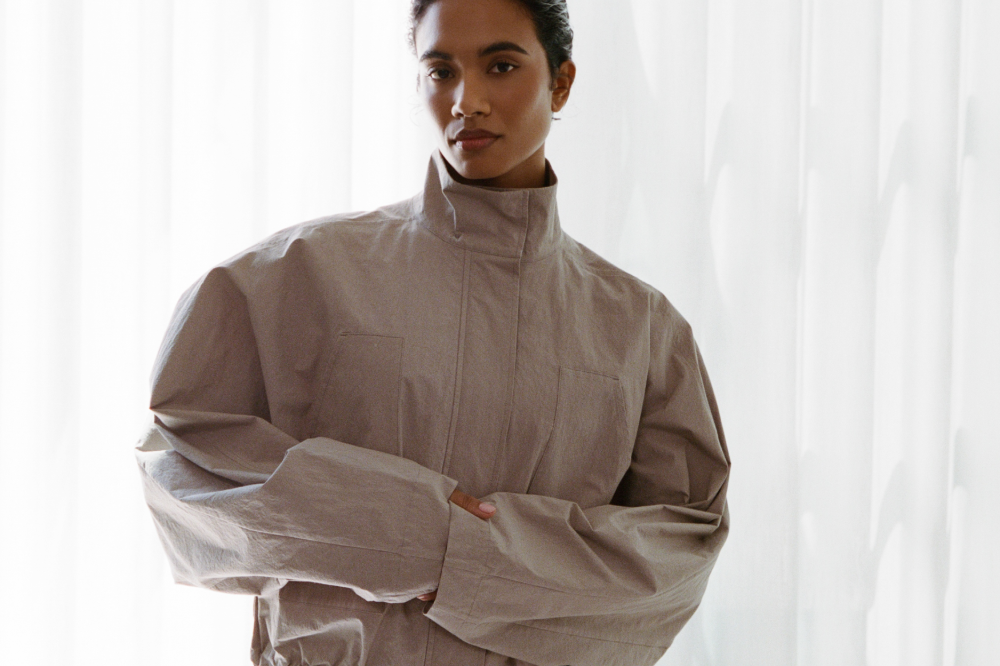
JACKET & SKIRT St. Agni
“I think I might have performance dysmorphia.”
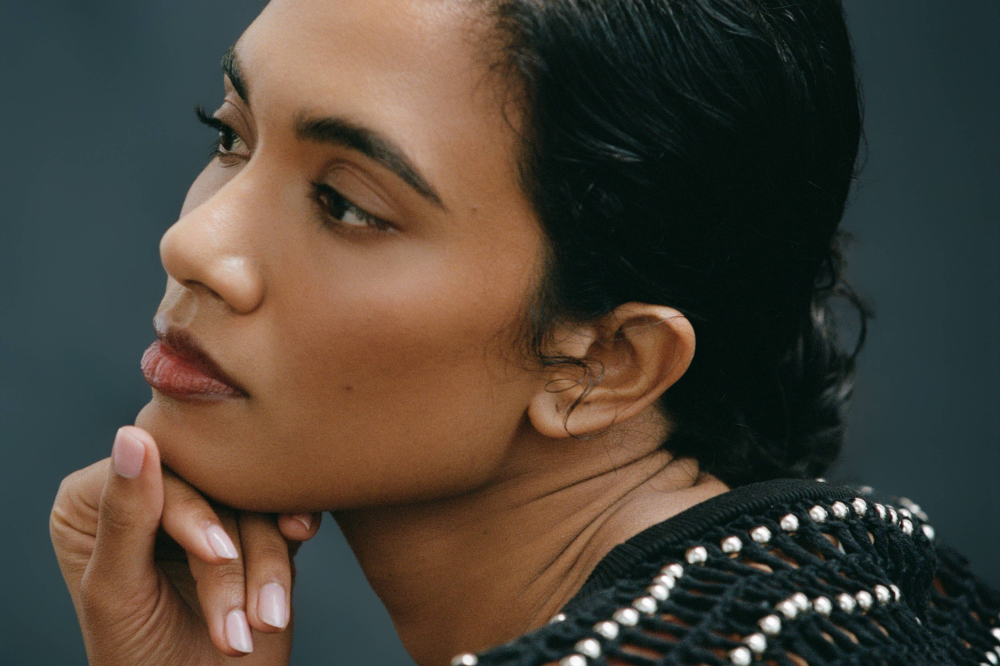
DRESS Rosetta Getty
CW: Did those physical distinctions help you separate Samira’s anxiety from your own?
SG: Filming that was really rough because you’re hyperventilating the whole time. There were times I’d start hyperventilating and they’d stop for camera adjustments and I wouldn’t know when we’d start again.
CW: My heart rate was going up. I looked at my Fitbit and I was like… Oh my God. Hearing you talk about it, it’s happening again.
SG: I had a paper bag on hand just in case. Patrick [Ball, who plays Dr. Langdon] started improvising deep breathing with me and that helped a lot because it let me decide to stop panic breathing.
CW: Why does Samira connect so emotionally with her patients?
SG: It’s the only place she feels safe to connect with people. Every time you meet a doctor they’ve said the things they’re saying thousands of times. They’re following a script or logic flow of what comes next. For Samira, that structure allows her to feel connection. In her personal life that feels scary or uncontrolled. That’s where we see threads unravel—especially with her mom calling.
“I’m just in a state of,
This is not happening.”
CW: I found the contrast of Samira’s control at work and lack of it in her personal life compelling this season. It gave you a lot to do.
SG: It’s important to me to show Samira is not always a fun person to be around. Otherwise it doesn’t make sense that she’s a kind doctor but not close to anyone. There has to be social stunting. A lot of doctors are socially stunted. I grew up with them, so I know.
She’s struggling to practice empathy with people close to her because it would also mean empathy for herself.
CW: Did your premed background benefit your performance in any way?
SG: Totally. Being premed just means you’re good at writing essays and understanding medical things. That’s all it means. I cannot do what my character is doing. But it helped me understand where hesitation happens.
I also talked to doctors about burnout and depression and R3 and R4 years and brought that in. Samira is a parable for burnout and depression.
CW: Are there any moments from both seasons you’re particularly proud of?
SG: I don’t really watch the show.
CW: You don’t like seeing yourself? I mean, neither do I.
SG: Not really. I think I might have performance dysmorphia. It takes me six watches to see what I need to change.
CW: Is there a medical procedure you always wanted to perform?
SG: I wanted to do brain surgery. You can’t really do that in the ER.
CW: How do you decompress after a stressful day of work or a long shoot?
SG: This is probably the worst way, but I watch a lot of reality TV. I recently finished Real Housewives of Salt Lake City. It’s so good, but they’re yelling all the time. I also watch movies and visit museums in New York. I love MoMA.
CW: How have you adjusted to becoming recognizable?
SG: I haven’t really. I don’t have great spatial recognition so I’m not aware of what’s happening until it’s undeniable. Even then, it doesn’t fully register. I’m just in a state of, This is not happening.
CW: It’s sad to see Dr. Mohan leave The Pitt, but this is such a great time in your career to be a free agent. What do you want to do next?
SG: I’m a big horror girl. Art house horror. I love Pearl and Strange Darling.
I love movies like that. Also rom-coms. Anything really, as long as it’s structured well. I’m open to anything. The problem is I [have to] respond to the material.
CW: Now that you have some flexibility, is there anyone—writer, director, actor—you want to work with?
SG: Oh. Uh, shit, that’s a lot of pressure. Yorgos Lanthimos is brilliant. The way he directs his actors is really interesting. Emma Stone’s performance in Bugonia was absolutely thrilling, like it’s so big but it’s also not. ❤
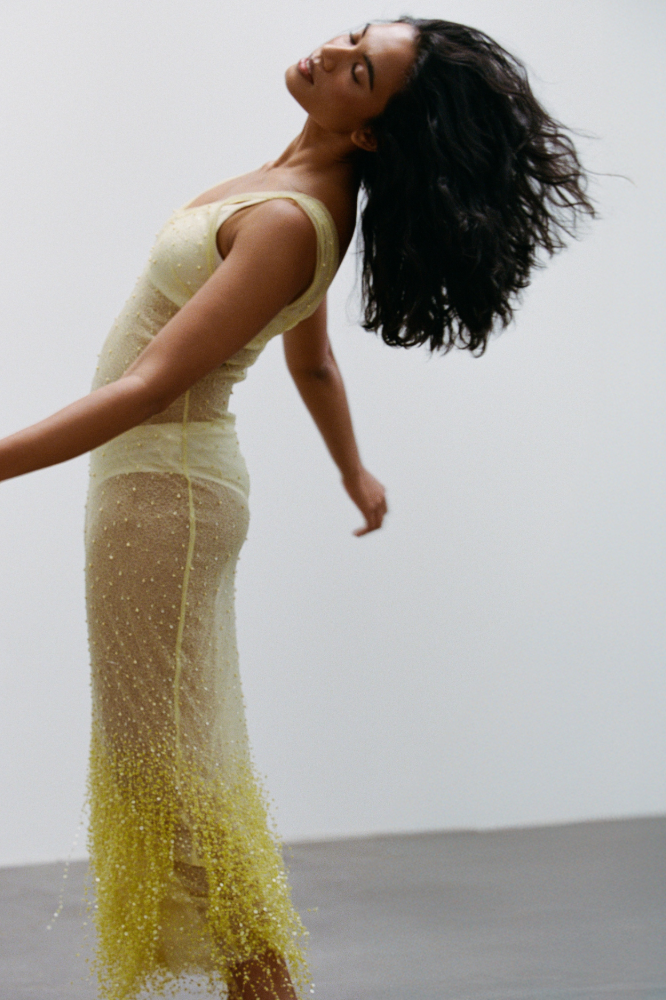
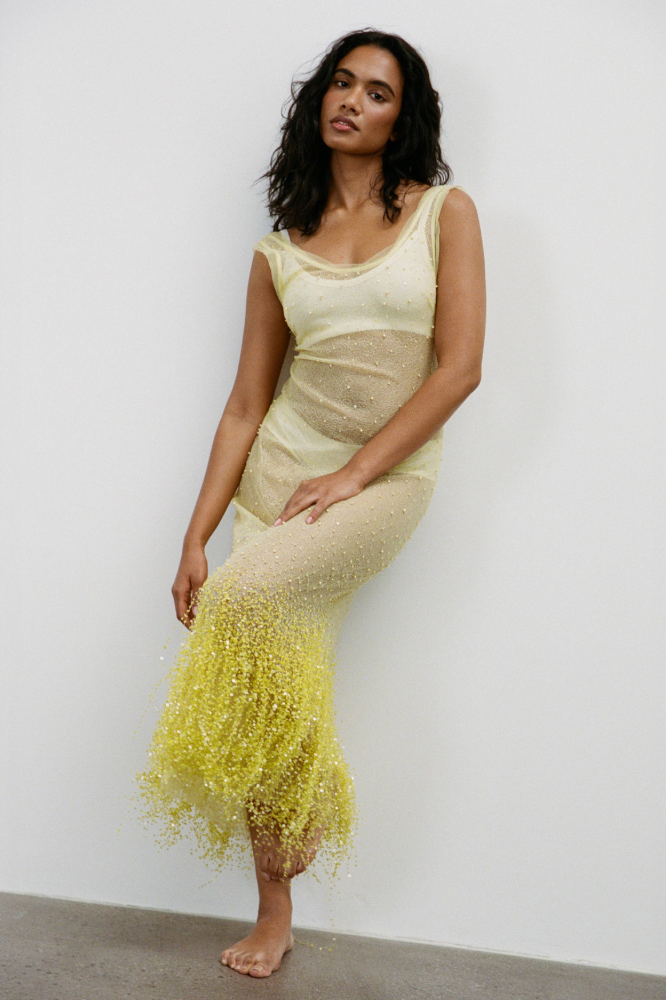
DRESS Simkhai
STORY CREDITS
PHOTOGRAPHY Sophie Chan Andreassend at See Management / WORDS Carrie Wittmer / STYLIST Emma Larsen / PROP STYLIST Morgan Roberts / HAIR Teddi Prior at The Rex Agency using RŌZ / MAKEUP Shea Hardy / MANICURIST Sreynin Peng / PHOTO ASSISTANT aliana mt / PROPS ASSISTANT Laura “L.E.” Herter / DIGITAL TECH & LIGHTING Jer Aquino / PRODUCER Dev Davey at Get It Productions / PRODUCTION COORDINATOR Caro Knapp
HERO IMAGE CREDITS
DRESS Simkhai
Read more stories